Navigating the housing market can feel like trying to solve a Rubik’s Cube blindfolded. Prices are soaring, interest rates are doing the cha-cha, and inventory seems to vanish faster than pizza at a party. Whether you’re a seasoned investor or a first-time buyer, understanding the latest trends is crucial for making savvy decisions.
Overview of Housing Market Trends
Current housing market trends reflect significant shifts impacting buyers and sellers. Home prices continue to increase, emphasizing the demand within dynamic markets. Rapidly dwindling inventory leads to fierce competition. More buyers than available homes create a seller’s market, driving prices higher.
Interest rates fluctuate frequently. Recent increases in rates result from economic factors and inflation concerns. Higher rates can impact affordability, making homeownership more challenging for potential buyers. Many individuals assess their options carefully, weighing the trade-offs of locking in current rates versus waiting for potential decreases.
Seasonal patterns play a crucial role in housing trends. Spring and summer months often see an uptick in listings and buyer activity. Market data indicates that homes listed during these periods tend to sell faster. In contrast, fall and winter can present opportunities for bargain hunters.
Geographical variations also shape trends. Urban areas frequently experience different dynamics compared to rural settings. Some cities show explosive growth, while others struggle with stagnant markets. Understanding regional differences is vital for informed decision-making.
Technology influences how buyers search for homes. Online platforms and mobile apps streamline the process, enabling quicker discoveries and decisions. Virtual tours and remote viewings have become standard features.
Overall, staying attuned to these trends empowers participants in the housing market. Buyers, sellers, and investors benefit from monitoring developments closely. Recognizing patterns and shifts leads to better-informed choices in an evolving landscape.
Current Market Analysis
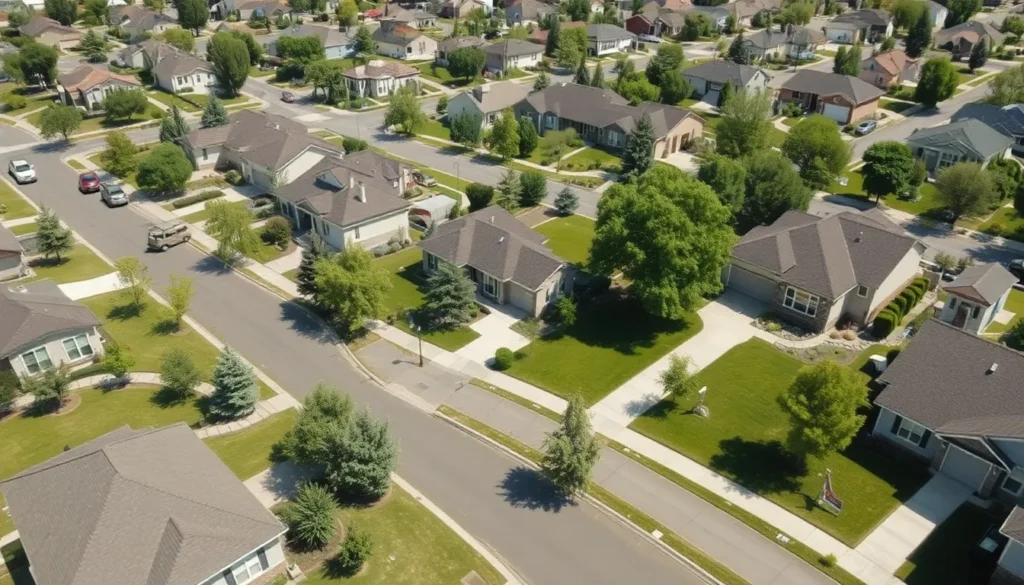

Current housing market conditions show notable transformations affecting both buyers and sellers. Analyzing these trends reveals vital insights for navigating today’s landscape.
Key Indicators of Market Health
Home price trends illustrate a competitive environment, reflecting persistent demand against shrinking inventory. According to the National Association of Realtors, existing home sales rose by 3.9% in September 2023, indicating stronger buyer interest. Mortgage applications also increased by 5.2% within the same timeframe, suggesting an eagerness to capitalize on current rates. Inventory levels remain low, with only 1.1 million homes available, leading to upward pressure on prices. Interest rates fluctuated around 7.5% in late 2023, impacting affordability. Tracking these indicators aids buyers and investors in assessing risk and opportunity.
Regional Variations in Housing Prices
Market dynamics exhibit significant regional disparities in housing prices. According to Zillow, urban areas saw average price growth of 8.4% year-over-year, while rural regions rose only 2.1%. Areas like San Francisco and Austin reflect heated competition, with some neighborhoods experiencing bidding wars. Conversely, markets in the Midwest may offer more stability, often providing lower price points and consistent sales. Migration patterns influenced these shifts, as many individuals seek homes in suburban areas, driving prices up. Understanding these regional differences assists buyers in determining the best scenarios to explore.
Factors Influencing Housing Market Trends
Housing market trends vary based on numerous factors that shape buyer and seller behavior. Understanding these influences enhances market navigation for all participants.
Economic Influences
Economic conditions play a vital role in shaping housing trends. Rising interest rates, currently around 7.5%, directly affect affordability for potential buyers. Inflation concerns further contribute to fluctuating mortgage rates, making it critical for buyers to assess market timing. Recent activity shows a 3.9% increase in existing home sales, indicating stronger buyer engagement despite high prices and low inventory, which stands at 1.1 million homes. The overall economy influences consumer confidence, affecting purchasing power and real estate investments.
Demographic Shifts
Demographic transitions significantly impact housing demand and preferences. Urban migration trends highlight a shift towards suburban living as individuals seek more space. Growing millennial and Gen Z populations are entering the market, prioritizing affordability and location. The average price growth in urban areas is 8.4% year-over-year, compared to only 2.1% in rural regions, emphasizing the desire for amenities and accessibility. As these demographics evolve, their housing preferences shape market dynamics, encouraging new developments and alterations in existing inventory.
Future Predictions for Housing Market Trends
Anticipating future housing market trends involves analyzing expert opinions and expected market changes based on existing data.
Expert Opinions
Industry experts predict continued growth in the housing market despite existing challenges. High demand for homes points towards sustained price increases, particularly in urban areas. Analysts suggest that buyer interest remains strong, driven by demographic shifts among millennials and Gen Z entering the marketplace. Reports indicate that inventory levels may struggle to meet this demand, creating potential for competition among buyers. As interest rates fluctuate around 7.5%, experts recommend potential buyers keep a close eye on economic indicators. Confidence in the housing sector appears influenced by consumer willingness to invest, showing resilience amidst economic uncertainties.
Expected Market Changes
The housing market may experience significant changes over the next few years. Increased construction of new homes could alleviate some inventory shortages, allowing more options for buyers. Likewise, regional price disparities may persist, with urban areas projected to see an 8.4% year-over-year price growth, compared to 2.1% in rural regions. Buyer preferences indicate a shift towards suburban living, impacting supply and demand dynamics. Experts also highlight the influence of technology on home buying trends, with online tools improving access to information and listings. Overall, these factors will shape the market landscape, affecting both investors and first-time buyers.